Supporting Local, Sustainable Farming Practices
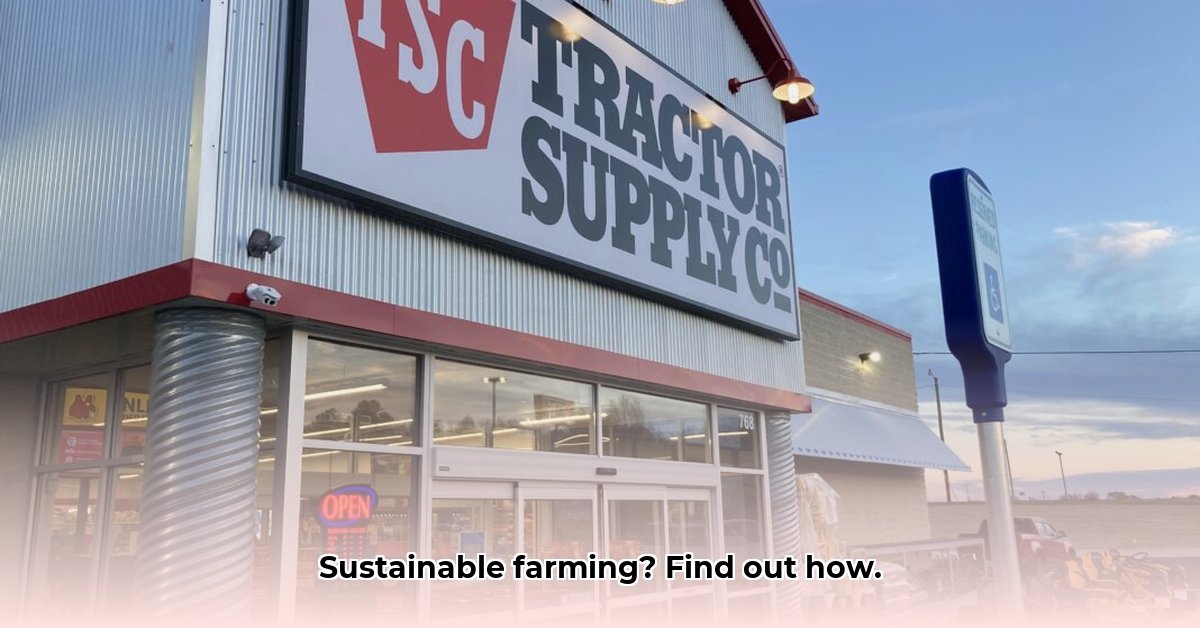
Tractor Supply (TSC) in Carthage, Texas, offers a wide range of products potentially supporting sustainable farming. Farmers can find high-quality livestock feed, durable fencing, efficient watering systems, and diverse crop seeds—essential for environmentally conscious agriculture. However, the extent of TSC's contribution hinges on transparency, a crucial element currently lacking. For more information on Tractor Supply locations, visit this helpful page.
The Need for Transparency: A Critical Assessment
While TSC provides the tools for sustainable farming, information on product sourcing is limited. Knowing the origin of feed, manufacturing processes of tools, and waste management practices is vital for assessing the true environmental impact. Without this transparency, it’s challenging to determine if products genuinely support sustainability or carry hidden environmental costs. For example, are feed ingredients sustainably sourced? Are tools manufactured using eco-friendly processes? These unanswered questions hinder trust in TSC's commitment to environmental responsibility. This lack of transparency negatively impacts farmers, consumers, and the environment alike; trust is paramount for businesses aiming for environmental responsibility. How can we bridge this gap and create a greener future?
Key Takeaway 1: TSC's product offerings demonstrate potential for supporting sustainable farming, but a lack of transparency regarding sourcing and production methods hinders a comprehensive evaluation of its actual environmental impact.
Actionable Steps for a Greener Future
To foster a more sustainable future, various stakeholders must take action:
For Tractor Supply:
Transparent Supply Chain: Conduct a thorough environmental impact assessment of your entire supply chain, tracing product origins and manufacturing processes. (This boosts consumer trust and enhances brand reputation.)
Publish Sustainability Report: Publicly disclose your sustainability goals, achievements, and future targets via detailed reports accessible on your website and in-store.
Engage with Farmers: Collaborate directly with local farmers to understand their needs and develop mutually beneficial sustainable farming practices.
For Local Farmers:
Informed Purchasing: Prioritize TSC products aligning with your sustainable farming goals. (Supporting environmentally conscious products directly impacts the market.)
Advocacy: Support policies promoting eco-friendly farming practices.
Farm Diversification: Implement diverse cropping and livestock strategies to enhance resilience to climate change and reduce environmental risks.
For Consumers:
Inquisitive Purchasing: Actively inquire about product origins and environmental impact before purchasing.
Conscious Consumption: Support businesses genuinely committed to sustainability through informed purchasing decisions.
Spread Awareness: Promote sustainable businesses and policies that support the industry.
For Local Government:
Business Partnerships: Collaborate with TSC and other local businesses to advance sustainable agriculture initiatives.
Educational Investment: Fund research and educational programs assisting farmers in adopting sustainable practices.
Incentive Programs: Implement policies providing incentives for farmers using environmentally responsible methods.
Key Takeaway 2: Addressing sustainable agriculture requires a multi-stakeholder approach, with Tractor Supply playing a crucial role through enhanced transparency and collaboration with local farmers and government agencies.
Risk Assessment and Mitigation Strategies
Sustainable agriculture faces several challenges:
| Risk Category | Likelihood | Potential Impact | Mitigation Strategies |
|---|---|---|---|
| Unsustainable Sourcing | Moderately High | Environmental damage, reputational harm | Thorough supplier vetting, increased transparency in sourcing |
| Lack of Consumer Awareness | High | Limited adoption of sustainable practices | Public awareness campaigns, educational programs |
| Climate Change Impacts | Very High | Reduced yields, increased vulnerability | Climate-resilient farming methods, diversification |
| Regulatory Non-Compliance | Moderate | Fines, legal issues | Staying informed about regulations, proactive compliance |
Navigating agricultural regulations requires constant vigilance. Farmers and businesses must remain informed on pesticide use, water conservation, and waste management regulations to ensure proactive compliance.
A Collaborative Path Forward
Building a sustainable agricultural future in Carthage requires a collaborative effort. TSC plays a critical role, but its success depends on shared responsibility. Transparency, responsible sourcing, and conscious consumerism are essential for a sustainable future for our farms and communities. Continued dialogue and joint action are crucial for achieving this goal.
Key Takeaway 3: Mitigating the risks associated with sustainable agriculture requires a collaborative effort among all stakeholders, highlighting the importance of transparent communication, informed decision-making, and responsible practices throughout the supply chain.